

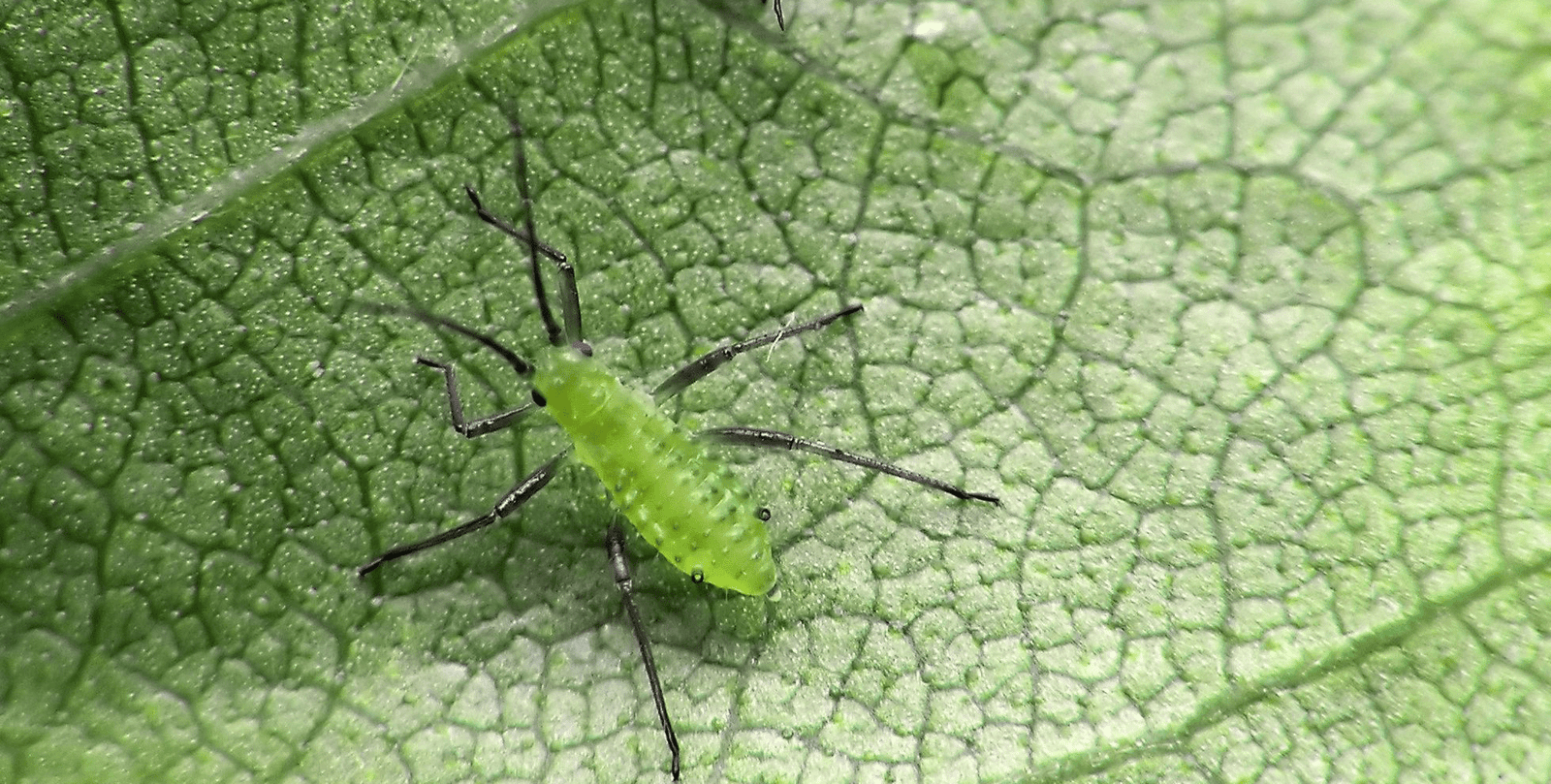
Ants are one of the most common pest complaints homeowners experience during Chicago summers. As temperatures rise and outdoor colonies become more active, ants begin searching for food, water, and shelter. What starts as a few ants on a kitchen counter can quickly turn into a larger infestation if the source of the problem is not addressed.
Fortunately, there are several practical steps homeowners can take to reduce the likelihood of ant activity both inside and outside the home.
✅ Why Ant Problems Increase During Summer
Ants remain active throughout much of the year, but summer creates ideal conditions for colony growth and food gathering.
✅ Warm Temperatures Accelerate Activity
As temperatures increase, ant colonies become more active and workers travel greater distances in search of resources.
This often leads ants toward:
✅ Kitchens
✅ Pantries
✅ Pet food areas
✅ Outdoor eating spaces
✅ Garbage containers
✅ Summer Rain Can Drive Ants Indoors
Heavy rain can flood portions of underground colonies, forcing ants to relocate and seek drier conditions inside homes and structures.
Many homeowners notice ant activity shortly after significant rainfall.
✅ Colonies Are Expanding
Summer is often a growth period for ant colonies. Larger colonies require more food, resulting in increased foraging activity and more visible ant trails.
✅ Common Ants Found Around Chicago Homes
Several ant species are commonly encountered throughout Chicagoland.
✅ Pavement Ants
Pavement ants frequently build nests:
✅ Beneath sidewalks
✅ Driveways
✅ Patios
✅ Foundations
They are among the most common nuisance ants found entering homes.
✅ Carpenter Ants
Carpenter ants are larger ants that may nest within damp or damaged wood.
Unlike termites, they do not eat wood, but they can excavate galleries that contribute to structural damage over time.
✅ Odorous House Ants
These small ants are known for producing a noticeable odor when crushed.
They commonly invade:
✅ Kitchens
✅ Bathrooms
✅ Food storage areas
✅ Eliminate Food Sources That Attract Ants
Food availability is one of the biggest reasons ants enter homes.
✅ Store Food Properly
Keep food in sealed containers whenever possible.
Pay special attention to:
✅ Cereal boxes
✅ Sugar containers
✅ Pet food
✅ Snacks
✅ Baking ingredients
Even small crumbs can attract worker ants.
✅ Clean Counters Regularly
Ants leave chemical trails that guide other ants to food sources.
Wiping surfaces frequently helps remove:
✅ Food residue
✅ Grease
✅ Sugary spills
✅ Scent trails
✅ Don’t Forget Pet Food
Pet food bowls are a common source of ant activity.
Try to:
✅ Clean feeding areas regularly
✅ Avoid leaving food out overnight
✅ Store pet food in sealed containers
✅ Reduce Moisture Around Your Home
Many ant species require consistent moisture to survive.
✅ Fix Plumbing Leaks
Inspect:
✅ Under sinks
✅ Around toilets
✅ Laundry rooms
✅ Utility areas
Even small leaks can attract ants over time.
✅ Improve Drainage
Standing water around foundations may encourage nesting activity.
Check:
✅ Gutters
✅ Downspouts
✅ Landscaping drainage
✅ Low-lying areas near the home
✅ Manage Humidity
Basements and crawl spaces with excessive moisture often become attractive environments for ants and other pests.
✅ Seal Potential Entry Points
Ants often enter through extremely small openings.
✅ Inspect Doors and Windows
Look for:
✅ Damaged weather stripping
✅ Gaps around frames
✅ Cracks in caulking
✅ Check Foundation Cracks
Small foundation cracks can provide direct access into living spaces.
Regular inspections help identify problem areas before infestations develop.
✅ Seal Utility Penetrations
Areas where pipes, cables, and utility lines enter the home are commonly overlooked entry points.
✅ Maintain the Exterior of Your Property
Outdoor conditions often contribute directly to indoor ant activity.
✅ Trim Vegetation
Trees, shrubs, and branches touching the house can provide pathways for ants.
Maintain clearance around:
✅ Rooflines
✅ Windows
✅ Siding
✅ Foundations
✅ Move Mulch Away From Foundations
While mulch is beneficial for landscaping, placing it directly against the home can encourage ant nesting activity.
✅ Keep Firewood Elevated
Firewood stacks provide shelter for many insects, including ants.
Store wood:
✅ Off the ground
✅ Away from the house
✅ In dry locations
✅ Why DIY Ant Sprays Often Provide Temporary Results
Many homeowners attempt to eliminate ants using over-the-counter sprays.
While sprays may kill visible ants, they often fail to address:
✅ Hidden colonies
✅ Satellite nests
✅ Outdoor nesting areas
✅ Entry points
This is why ant activity frequently returns after initial treatment.
If ants continue appearing despite cleaning and prevention efforts, the colony may be located inside walls, beneath foundations, or elsewhere on the property. Identifying the source is often more important than treating the ants that are visible.
✅ When Ant Activity May Require Professional Help
Not every ant sighting requires professional treatment, but recurring infestations often indicate a larger underlying problem.
Warning signs include:
✅ Large numbers of ants indoors
✅ Multiple ant trails
✅ Repeated infestations after treatment
✅ Carpenter ant activity
✅ Nesting near structural components
Early intervention can prevent larger infestations from becoming established.
✅ Why Chicago Homes Experience Seasonal Ant Pressure
Chicago’s weather patterns create repeated seasonal pest cycles.
During spring and summer:
✅ Colonies expand
✅ Food demand increases
✅ Rainfall disrupts nests
✅ Foraging activity intensifies
Because these conditions occur every year, preventive pest management can be an effective long-term strategy for homeowners.
For residents dealing with recurring ant problems, working with a local company familiar with Chicago pest behavior can help identify both current infestations and conditions that contribute to future activity. Shepp Pest Control provides pest control services throughout Chicagoland and surrounding communities.
✅ Final Thoughts on Preventing Ants During Summer
Ant infestations are often easier to prevent than eliminate. By reducing food sources, managing moisture, sealing entry points, and maintaining the exterior of the property, homeowners can significantly lower the likelihood of summer ant problems.
The key is consistency. Small preventive measures performed throughout the season often provide the greatest long-term protection against recurring infestations.
✅ Frequently Asked Questions About Ant Prevention
✅ Why do ants suddenly appear in my kitchen?
Ants typically enter kitchens while searching for food and water. Even small crumbs or sugary spills can attract worker ants.
✅ Does rain cause ants to come inside?
Yes. Heavy rain can flood portions of ant colonies, causing ants to seek shelter and relocate indoors.
✅ What attracts ants to a house?
Food, moisture, pet food, garbage, and accessible entry points are among the most common attractants.
✅ Are carpenter ants dangerous?
Carpenter ants can damage wood by excavating nesting galleries, which may contribute to structural concerns over time.
✅ Why do ants keep coming back after I spray them?
Sprays often kill visible ants but do not eliminate the colony or address the conditions attracting them.
✅ When should I call a pest control professional for ants?
Professional help is recommended when infestations become recurring, extensive, or involve carpenter ants or multiple nesting locations.
✅ Pest Control Service Areas in Chicagoland
We proudly serve Palatine, Arlington Heights, Park Ridge, Schaumburg, Des Plaines, Rolling Meadows, Barrington, Glenview, Northbrook, surrounding Chicagoland communities and the North Shore. We handle jobs as far west as Hampshire, as far north as Waukegan and as far south as Bolingbrook. We also service most neighborhoods in the city of Chicago.